English
 Français
 Pусский
 Español
 Português
 ไทย
ไทย العربية
 िन्दी
िन्दी Indonesia
Solusi Kustom Untuk Perawatan Trek

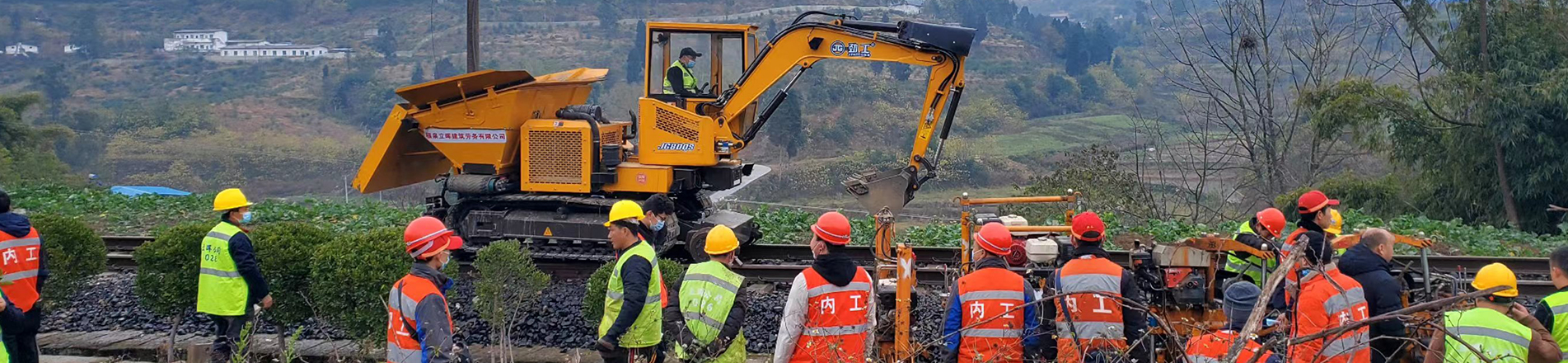
Untuk proyek pemeliharaan rel kereta api skala kecil, pemadatan manual memiliki biaya awal yang lebih rendah, tetapi mesin pemadatan hidrolik dapat memberikan produktivitas yang jauh lebih tinggi dan mengurangi kebutuhan tenaga kerja ketika pemeliharaan jalur rel secara terus menerus diperlukan.
Perbedaan utamanya bukan hanya terletak pada daya tekan mesin. Melainkan jumlah bantalan rel yang dapat diproses oleh kru selama jendela waktu pemeliharaan rel yang tersedia.
Data teknis perkeretaapian yang dipublikasikan menunjukkan bahwa beberapa pengaturan pemadatan manual dapat mencapai sekitar 10–12 bantalan rel per jam per alat pemadatdengan kebutuhan tenaga kerja sebesar 6 orang per set di bawah kondisi kerja tertentu. Referensi industri lainnya menyebutkan produktivitas pemadatan genggam sekitar... 40–80 orang yang tidur/jam per unit, tergantung pada kondisi pemberat dan keahlian operator.
Sebagai perbandingan, mesin pemadat hidrolik kompak umumnya memiliki produktivitas dalam kisaran... 200–400 orang yang tidur/jam, dengan contoh-contoh di sekitar 260–320 penumpang/jam.
Hal ini menciptakan perbedaan produktivitas yang signifikan ketika ratusan atau ribuan bantalan rel perlu dirawat.
Pemadatan manual masih praktis untuk perbaikan kecil, kerusakan terisolasi, dan lokasi di mana akses peralatan sulit, tetapi produktivitasnya sangat bergantung pada tenaga kerja dan kelelahan pekerja.
Operasi pemadatan manual yang umum dilakukan mengharuskan pekerja untuk berulang kali melakukan hal berikut:
1. Posisikan alat pemadat
2. Pecahkan atau kendurkan pemberat
3. Masukkan alat tersebut di bawah bantalan rel.
4. Pemberat kompak
5. Pindah ke posisi berikutnya
Untuk perbaikan kecil yang terisolasi, pendekatan ini bisa ekonomis karena investasi peralatannya rendah.
Namun, produktivitas menurun ketika:
· Bantalan beton digunakan
· Batu balas dipadatkan secara intensif.
· Kedalaman pemadatan meningkat
· Geometri lintasan memerlukan koreksi berulang.
· Pekerjaan terus-menerus berlangsung selama beberapa jam.
Sebagai contoh, jika sebuah kru berhasil 40 orang tidur/jam, memelihara 400 bantalan rel membutuhkan sekitar 10 jam produktif sebelum mempertimbangkan rotasi pekerja, akses jalur kereta, pergerakan material, dan gangguan terkait keselamatan.
Pada 10–12 orang tidur/jam, 400 gerbong tidur yang sama mungkin membutuhkan lebih dari 33 jam kerja kru untuk pemadatan langsung per alat pemadat, berdasarkan contoh teknis perkeretaapian di atas.
Di sinilah pemadatan manual menjadi sulit untuk diterapkan dalam skala besar.
Keunggulan utama pemadatan hidraulik bukan hanya getaran yang lebih kuat; melainkan pengulangan siklus pemadatan yang lebih baik.
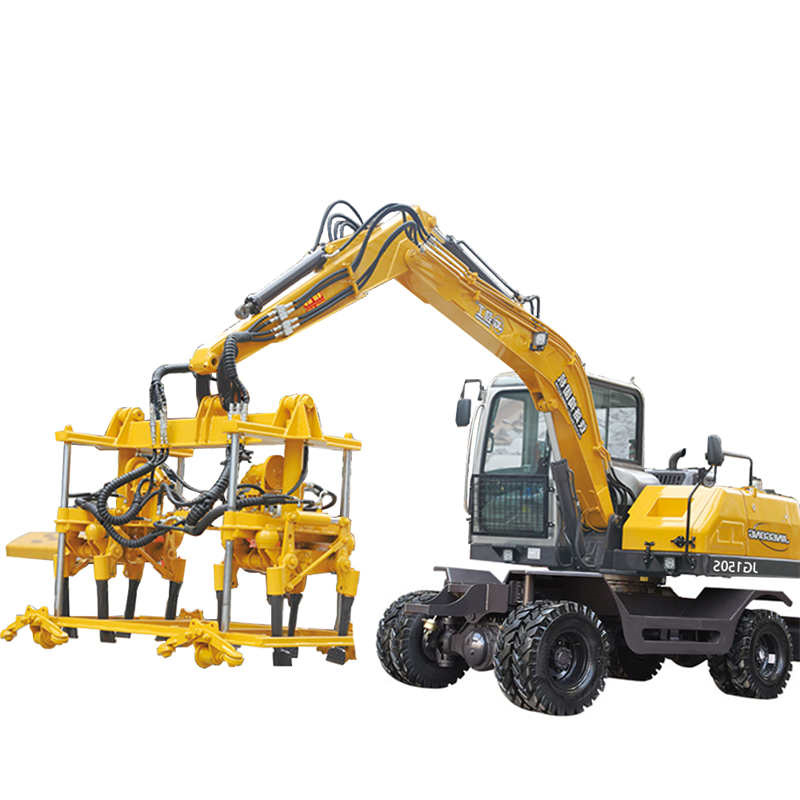
Mesin pemadat hidrolik dapat mengintegrasikan:
· Penyisipan alat pemadat
· Getaran
· Pemadatan balas
· Penjepitan
· Mengangkat atau memposisikan
menjadi siklus mekanis yang terkontrol.
Sebagai contoh, salah satu spesifikasi mesin hidrolik yang diterbitkan mencantumkan:
· Tekanan hidrolik: 5–6 MPa
· Frekuensi getaran: 66,7 Hz
· Gaya getaran: 22 kN
· Kedalaman pemadatan: kira-kira 110 ± 10 mm
· Produktivitas: ≥270 orang yang tidur/jam
Alat pemadat pemberat hidrolik lainnya terdaftar 280–320 penumpang/jam, dengan kira-kira 22 kN gaya getaran dan 90–120 mm kedalaman penyisipan.
Angka-angka ini harus diperlakukan sebagai produktivitas yang dinilai oleh produsen atau sebagai referensi, bukan hasil akhir yang dijamin di lapangan. Kinerja aktual sangat bergantung pada kondisi balas, jarak antar bantalan rel, geometri jalur rel, dan pengalaman operator.
Di sinilah perbandingan ekonomi menjadi menarik.
Misalkan sebuah proyek pemeliharaan membutuhkan 1.000 orang yang tidur untuk dipadatkan.
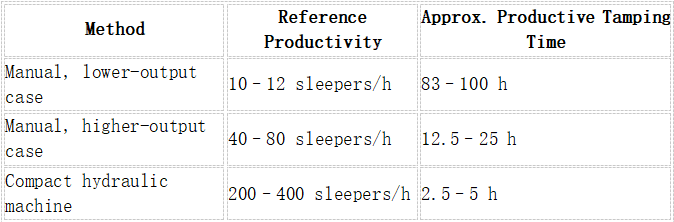
Angka-angka di atas dihitung dari rentang produktivitas yang dipublikasikan dan tidak boleh diartikan sebagai hasil proyek yang dijamin.
Bahkan pada perbandingan konservatif sekalipun 60 gerbong tidur/jam secara manual vs 270 gerbong tidur/jam secara mekanis., mesin hidrolik tersebut memiliki kira-kira 4,5 kali lipat dari kapasitas teoritis..
Yang lebih penting lagi, sistem mekanis mencapai hal ini dengan jumlah orang yang jauh lebih sedikit yang secara langsung melakukan pekerjaan pemadatan fisik.
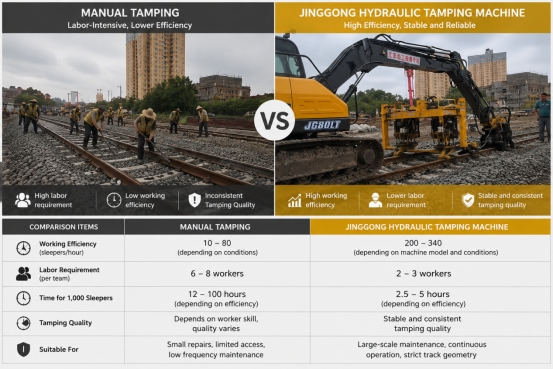
Bagi kontraktor, perbandingan yang sebenarnya haruslah total biaya per bantalan rel yang dirawat—bukan hanya harga pembelian mesin pemadat.
Perhatikan contoh yang disederhanakan.
Kru manual yang terdiri dari 6 pekerja menghasilkan 60 bantalan rel/jam.
Artinya:
6 pekerja ÷ 60 orang yang tidur = 0,10 jam kerja/orang yang tidur
Mesin hidrolik yang dioperasikan oleh 2 pekerja Dengan 270 penumpang/jam menghasilkan:
2 ÷ 270 = 0,0074 jam kerja/tidur
Oleh karena itu, kebutuhan tenaga kerja teoritis per bantalan rel jauh lebih rendah.
Ini bukan berarti mesin tersebut menghilangkan tenaga kerja. Operator masih dibutuhkan untuk:
· Pengoperasian mesin
· Keselamatan jalur
· Penempatan
· Inspeksi
· Pemeliharaan
Namun beban kerja fisik bergeser dari pemadatan manual berulang-ulang ke pengoperasian yang dikendalikan mesin.
Pemadatan manual bukanlah hal yang usang; metode ini tetap berguna ketika area perbaikan kecil atau akses ke mesin tidak praktis.
Aplikasi tipikal meliputi:
Misalnya:
· Satu atau beberapa bantalan rel yang rusak
· Area kecil berisi pemberat lepas.
· Perawatan darurat
Alat manual mungkin lebih mudah digunakan dalam:
· Jalur pendek
· Area di dekat bangunan
· Lokasi dengan akses sulit
Jika kontraktor hanya perlu melakukan perbaikan kecil sesekali, membeli mesin hidrolik mungkin tidak ekonomis.
Kuncinya adalah volume pekerjaan.
Pemadatan hidraulik menjadi semakin menarik seiring dengan meningkatnya jumlah bantalan rel dan frekuensi perawatan yang dibutuhkan.
Ini sangat cocok untuk:
· Bagian rel yang panjang
· Rehabilitasi jalur kereta api
· Program perawatan rutin
· Jalur bantalan beton
· Pemeliharaan jalur kereta api barang
· Halaman stasiun
· Jalur kereta api industri
Sebagai contoh, jika seorang kontraktor perlu memadatkan 1.000 orang yang tidur setiap bulan, perbedaan antara menghabiskan sekitar 3–5 jam kerja mesin yang produktif dan puluhan jam kerja manual menjadi signifikan.
Perhitungan tersebut harus mencakup:
Tenaga kerja + penyusutan peralatan + bahan bakar + pemeliharaan + waktu penguasaan jalur
bukan hanya harga pembelian saja.
Setelah pemadatan mekanis dipilih, pertanyaan selanjutnya adalah apakah konfigurasi kepala tunggal atau kepala ganda lebih tepat.
Sistem kepala ganda dapat meningkatkan produktivitas dengan memungkinkan lebih banyak operasi pemadatan dalam setiap siklus kerja.
Namun, produktivitas yang lebih tinggi tidak secara otomatis berarti itu adalah pilihan terbaik.
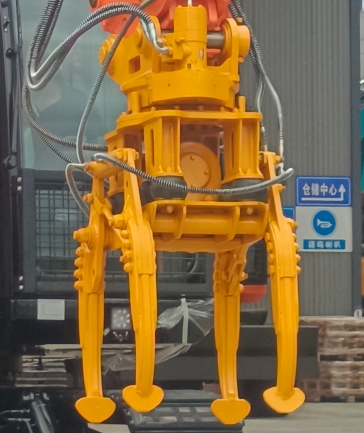
Lebih cocok untuk:
· Pemeliharaan lokal
· Area kompleks
· Ruang kerja terbatas
· Kontraktor pemeliharaan yang lebih kecil
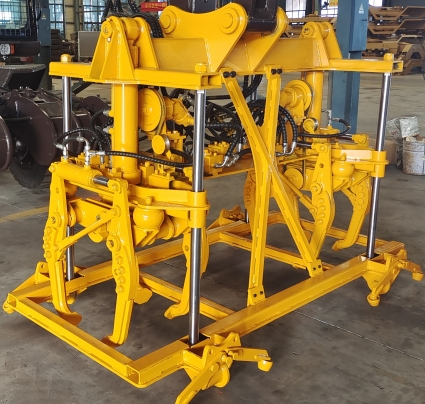
Lebih cocok untuk:
· Bagian jalur kontinu
· Beban kerja harian yang lebih tinggi
· Jendela perawatan yang lebih besar
· Proyek-proyek yang memprioritaskan produktivitas.
Beberapa peralatan pemadat kepala ganda yang ringkas memiliki peringkat sekitar 100 orang tidur/jam, sementara mesin pemadat hidrolik lainnya yang menggunakan konfigurasi berbeda menerbitkan 260–340 penumpang/jamAngka-angka ini menunjukkan mengapa "mesin berkepala ganda" saja tidak boleh digunakan sebagai jaminan produktivitas; arsitektur mesin dan siklus operasi secara keseluruhan sangat penting.
Bagi kontraktor kereta api, menghemat waktu penguasaan jalur kereta api bisa lebih berharga daripada sekadar mengurangi biaya tenaga kerja.
Bayangkan sebuah tim pemeliharaan kereta api hanya memiliki satu Jendela kerja 4 jam.
Pada:
· 40 orang tidur/jam → kira-kira 160 tempat tidur
· 80 orang yang tidur/jam → kira-kira 320 tempat tidur
· 270 orang yang tidur/jam → kira-kira 1.080 orang yang tidur
Ini adalah perhitungan teoretis dan hasil aktual di lapangan akan lebih rendah setelah memperhitungkan pengaturan, penempatan, inspeksi, dan pergerakan.
Meskipun demikian, perbedaan tersebut menggambarkan mengapa pemadatan hidrolik menjadi semakin berharga ketika waktu penguasaan jalur kereta api terbatas.
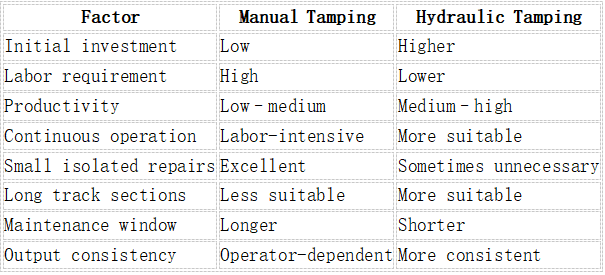
Pemadatan manual tetap menjadi solusi praktis untuk perbaikan rel kereta api skala kecil dan lokal, sementara pemadatan hidraulik menjadi lebih hemat biaya jika volume perawatan, kebutuhan tenaga kerja, dan waktu penguasaan jalur yang terbatas diperhitungkan.
Oleh karena itu, keputusan tersebut tidak boleh didasarkan pada:
“Berapa harga mesin ini?”
Pertanyaan yang lebih baik adalah:
“Berapa banyak bantalan rel yang perlu kita rawat, berapa banyak pekerja yang tersedia, dan berapa lama jangka waktu perawatan rel kereta api?”
Untuk proyek yang hanya melibatkan beberapa lusin bantalan rel, peralatan manual mungkin tetap menjadi solusi paling sederhana.
Untuk ratusan atau ribuan bantalan rel, keunggulan produktivitas dari pemadatan hidraulik dapat secara mendasar mengubah ekonomi operasi pemeliharaan.
Metode pemadatan yang paling ekonomis pada akhirnya adalah metode yang sesuai dengan volume perawatan, kondisi rel, tenaga kerja yang tersedia, dan waktu kerja yang dibutuhkan.
Berapa banyak bantalan rel yang dapat ditangani oleh pemadatan manual per jam?
Angka yang dipublikasikan sangat bervariasi. Salah satu spesifikasi teknis perkeretaapian melaporkan 10–12 sleeper/jam per tamper genggam, sementara referensi industri lain memberikan perkiraan 40–80 orang yang tidur/jam per unit, tergantung pada kondisi kerja.
Berapa banyak bantalan rel yang dapat ditangani oleh mesin pemadat hidrolik per jam?
Mesin hidrolik kompak umumnya menerbitkan sekitar 200–400 orang yang tidur/jam, meskipun produktivitas lapangan yang sebenarnya bergantung pada kondisi jalur dan prosedur pengoperasian.
Apakah pemadatan hidrolik selalu lebih baik daripada pemadatan manual?
Tidak. Pemadatan manual bisa lebih ekonomis untuk perbaikan kecil dan terisolasi di mana pengerahan mesin tidak diperlukan.
Mana yang lebih penting: daya tekan atau produktivitas?
Keduanya penting. Frekuensi getaran, gaya pemadatan, dan kedalaman penetrasi menentukan kinerja pemadatan, sementara siklus operasi menentukan berapa banyak bantalan rel yang sebenarnya dapat dipertahankan selama jendela kerja yang tersedia..