English
 Français
 Pусский
 Español
 Português
 ไทย
 العربية
 िन्दी
 Indonesia

Solusi Kustom Untuk Perawatan Trek

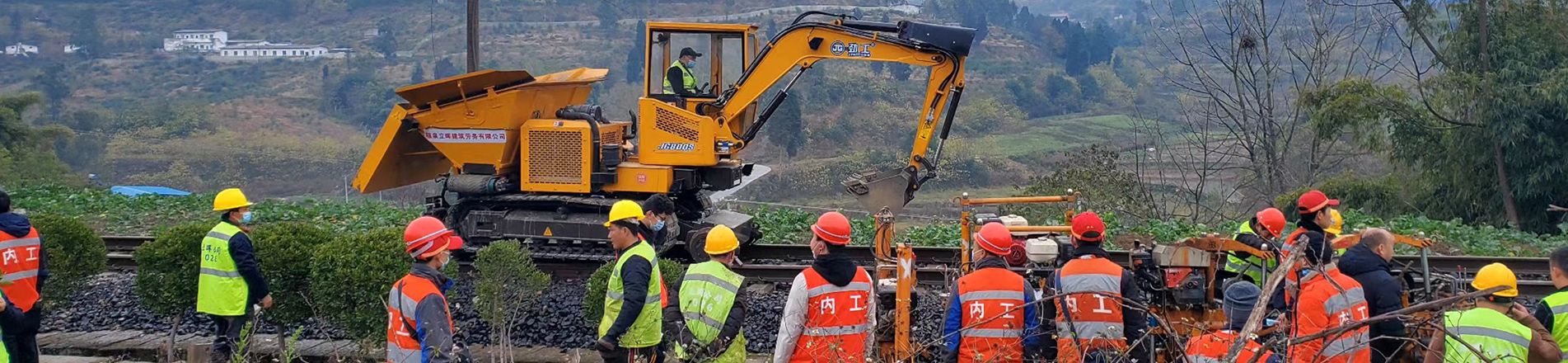
For railway asset managers and maintenance contractors, uncontrolled vegetation growth along track corridors is far more than just an aesthetic nuisance. Thick weeds, shrubs and over-grown brush spread across track shoulders, block side ditches, creep towards signal cables and encroach ballast zones. In rainy seasons, these neglected plants amplify existing track defects, triggering signal faults, poor drainage and accelerated track degradation. Many teams still rely on manual cutting or standalone walk-behind mowers, but these traditional methods struggle to keep pace on long-distance lines, branch routes and hard-to-reach slope sections within limited maintenance possession windows.
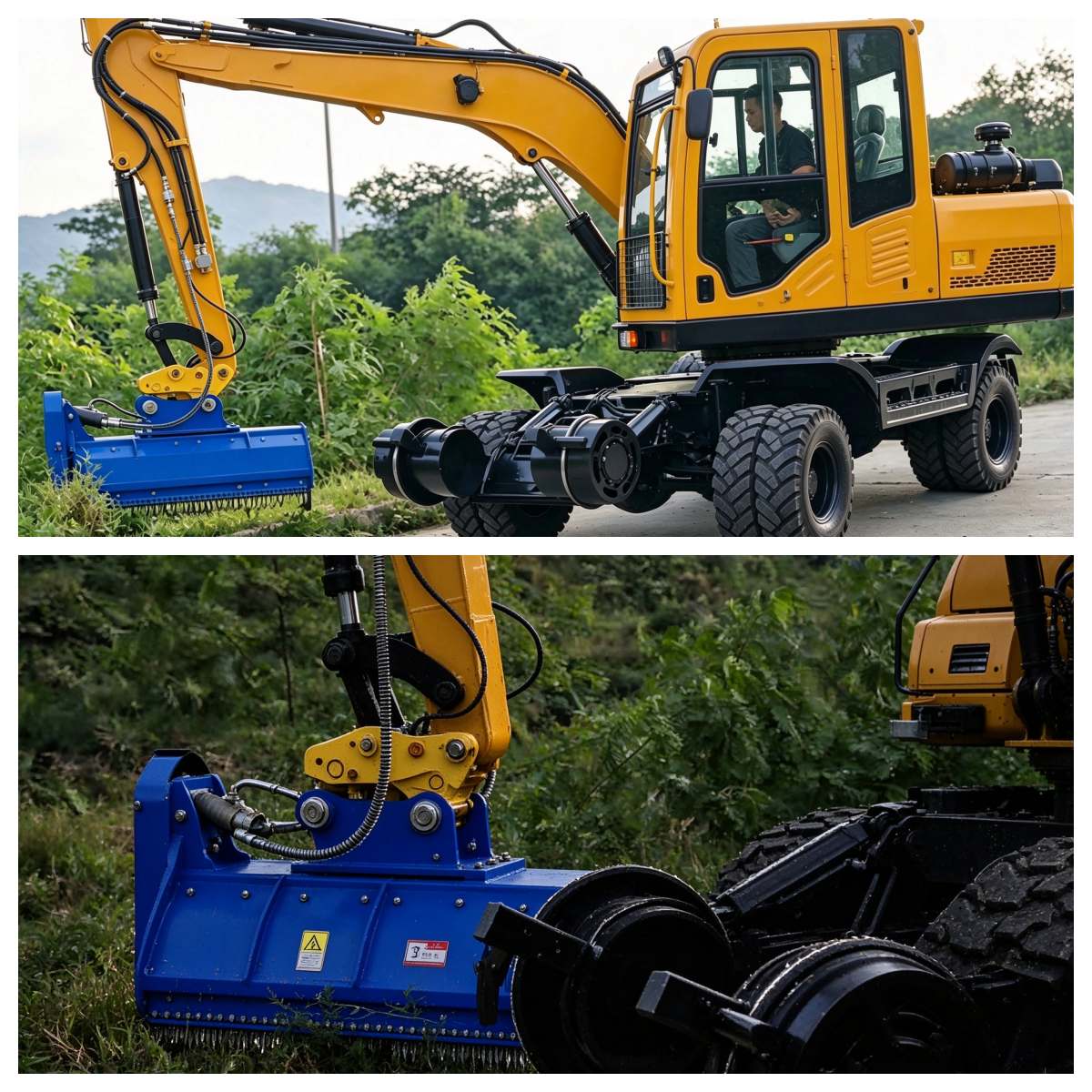
Vegetation hazards are often underestimated in daily maintenance schedules. They generate cascading failures that affect signalling, drainage system and overall track stability.
First, railway signal interference risk. Tall weeds and wet shrubs may intrude signal cable routes and track circuits. Under damp weather conditions, moist plant tissue can create leakage paths, causing false signal triggering, short-circuit faults and unexpected signal dropout. These faults force emergency speed restrictions or temporary line blockages, bringing direct economic losses to railway operators and liquidated damages for maintenance contractors.
Second, blocked drainage and aggravated track-bed diseases. Overgrown roots and dead plant debris accumulate inside side ditches, cross drains and ballast shoulders. Blocked drainage channels stop rainwater from flowing away rapidly. Stagnant water infiltrates the subgrade, which greatly raises the probability of mud-pumping, ballast fouling and subgrade softening. What begins as simple weeds will worsen exactly those rainy-season track bed failures we commonly see on aging branch lines.
Third, geotechnical and safety risks on track-side slopes. Unmanaged shrubs on embankment and cutting slopes can have dual-side effects: dense root systems may loosen slope soil, while dead dry vegetation becomes fire hazards in hot dry seasons. In addition, overhanging branches may strike passing rolling stock and cause physical damage to train components.
Many maintenance crews treat vegetation removal as low-priority cosmetic work. They only carry out trimming after hazards have already occurred. This reactive mode leads to higher total maintenance cost compared with regular preventive clearing work.
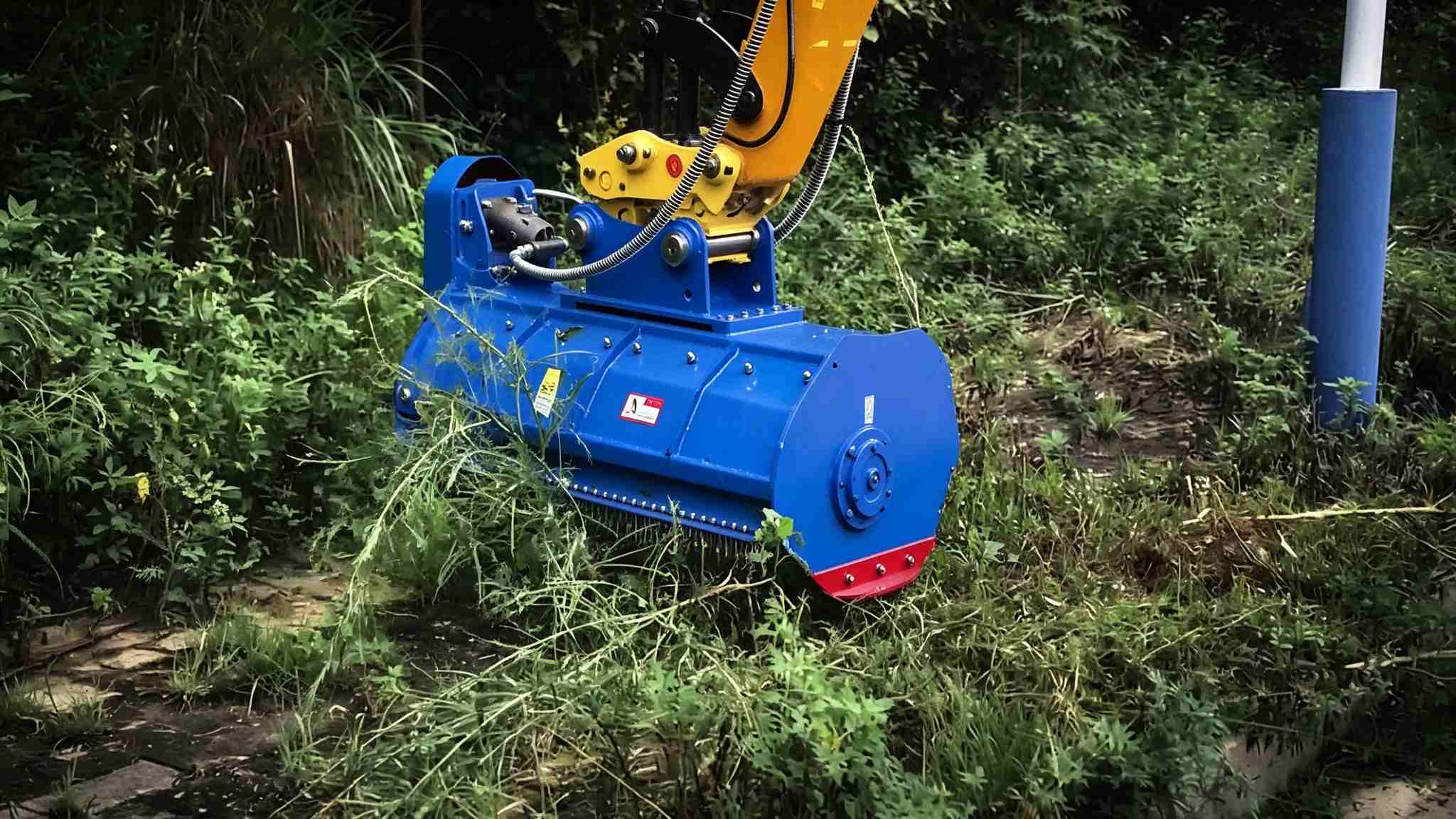
Multiple conventional solutions are applied for track-side vegetation management, yet each comes with obvious limitations in railway working scenarios. The table below compares typical approaches, based on real-world track-maintenance requirements.
| Evaluation Item | Manual brush cutting | Self-propelled walk-behind mower | Hi-rail excavator fitted with flail mower attachment |
| Working efficiency | Low, labour-intensive | Medium, limited travel range | High, covers long sections rapidly |
| Work area adaptability | Flat ground only; hard for steep slope | Cannot operate on steep embankment slopes | Works for flat shoulder + inclined track-side slope |
| Restriction under track possession | Consumes large manpower; slow progress inside short window | Needs separate transport to track site | Travels directly on-rail; ready-to-work upon arrival |
| Safety risk | High: staff work close to live track | Medium, machine transport complicated | Operator stays inside excavator cabin, improved site safety |
| Operating cost per kilometre | High labour cost | Medium, multiple transfer steps | Moderate; one host machine for multi-tasks |
| Secondary application capability | No additional function | Single-purpose only | Quick-swap with other railway attachments for ballast cleaning, ditching work |
Manual cutting and independent lawn-mowing machines are feasible for very short track segments. Nevertheless, for regular line-wide vegetation control projects, hi-rail excavator equipped with flail mower attachment presents a more balanced solution.
JINGGONG blue flail mower is purpose-designed for track-corridor vegetation treatment. It is specially built to cut and remove weeds and shrubs on railway shoulders and slopes, keeping smooth drainage and line safety. Mounted on JINGGONG hi-rail platform, the flail mower can directly travel along rails. It handles weeds, small shrubs and overhanging branches on track shoulders, ditch banks and embankment slopes. Unlike handheld tools, most trimming work is finished from within the operator cabin, lowering exposure risks for field workers.
Importantly, this is one modular tool within JINGGONG full railway attachment ecosystem. After completing mowing tasks, operators can quickly swap to ballast-cleaner, trencher or material-leveler attachment. The same hi-rail host can continue with drainage-ditch clearing or ballast-reshaping work within the same maintenance window, maximising utilisation of costly track possession time.
Before sourcing track-side vegetation clearing attachments for your fleet, verify these practical parameters to avoid mismatching for real-world railway jobs:
1. Confirm compatible host excavator hydraulic flow and pressure requirements.
2. Check working cutting width and reach, to cover slope and ditch zones beside track.
3. Verify rotor hammer quality: wear-resistant hammers for mixed weeds and small-size shrubs.
4. Confirm swing / offset capability, to reach slope areas without re-positioning the whole machine.
5. Weight balance: attachment total weight shall match host lifting performance for on-rail stability.
6. Quick-coupler interface: unified quick-change interface to switch between different railway attachments rapidly.
Some project managers hold the opinion that mowing attachments can only cut soft grass. In fact, well-built rail-spec flail mowers can process not only grass, but also dense weeds and small-diameter shrubs, which are very common along branch-line corridors. Still, it is not designed for large thick tree trunks; for big branches, hydraulic shear attachment shall be adopted as alternative tooling.
Another frequent doubt concerns debris disposal after cutting. The flail mower shreds vegetation into fine fragments. The shredded residues can stay in-situ without large-volume waste collection, which greatly simplifies post-processing steps for track-side maintenance. But operators should avoid letting massive shredded plant fragments fall directly into drainage ditches, to prevent secondary blockage.
Q1:Can JINGGONG flail mower fit different brands of hi-rail excavators?
A:Custom adapter quick-hitch is available for mainstream excavator models. Please provide host model and hydraulic parameters before order placement.
Q2:Can this attachment work on steep embankment slope beside railway lines?
A:It can handle general-angle track-side slopes within its designed offset working range. Extremely precipitous slopes require pre-job site assessment.
Q3:Can one hi-rail machine do both vegetation clearing and other track maintenance tasks?
A:Yes. With JINGGONG modular quick-change attachment system, the same host can switch among flail mower, ballast cleaner, trencher and other working tools inside one possession window.
Q4:Is mechanical vegetation removal better than chemical herbicide spraying for railway corridor?
A:Mechanical cutting avoids chemical contamination risk near farmland and water sources. Many regional railway authorities prefer physical removal solutions for environmental-protection requirements.
Uncontrolled track-side vegetation is not merely cosmetic pollution. It brings tangible risks including signal short-circuit, blocked drainage, aggravated mud-pumping and slope-related hazards. Reactive manual trimming costs more manpower and creates repeated re-occurrence.
Adopting preventive mechanised clearing via hi-rail excavator plus JINGGONG flail mower attachment improves working efficiency under tight maintenance windows. Combined with other modular railway attachments, contractors can complete vegetation trimming, ditch cleaning and track-bed preparation in one mobilisation, optimising overall railway-maintenance project economy.
If you want to get further technical datasheet or configuration suggestion for track-side vegetation control equipment, please feel free to contact our sales-engineering team.